The Injection Pipeline
Open a handle to the target process, allocate memory inside it, write your payload, then trigger execution. Each step has multiple techniques with different stealth profiles.
Loaders and injectors are the delivery mechanism for game cheats. They get your DLL or shellcode into a target process. Understanding injection techniques is fundamental to both cheat development and anti‑cheat research.
Open a handle to the target process, allocate memory inside it, write your payload, then trigger execution. Each step has multiple techniques with different stealth profiles.
The simplest method: allocate a string in the target, then create a remote thread calling LoadLibrary with your DLL path. Easy to implement, easy to detect.
Parse the PE file yourself, map sections, resolve imports, and call the entry point — all without the module appearing in the loaded module list. Much stealthier than LoadLibrary.
The classic API for starting a thread in another process. Straightforward but heavily monitored by anti‑cheats. Often the first method beginners learn.
Suspend an existing thread in the target, modify its instruction pointer to run your code, then resume it. Avoids creating a new thread, which is a common detection vector.
The DLL maps itself into memory using a small bootstrap loader embedded in the PE. No external injector needed after the initial code execution — common in advanced loaders.
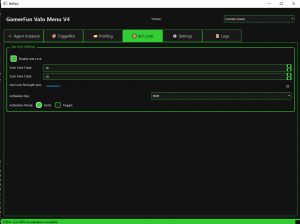
This rewrite explains what the GamerFun Valorant Menu v4 actually is, how its Python .exe workflow…
Splitgate Hack 2025: Aimbot, ESP & More – Dominate the Game Welcome back to GamerFun.Club, your…

Dominate Bloodhunt in 2025: Download the Ultimate Undetected Cheat with ESP, Aimbot & No Recoil Vampire:…
⚠️ Malware Warning: Injectors use the same techniques as malware. Never run untrusted loaders — they may contain backdoors, keyloggers, or miners. Build from source you’ve audited, or study existing open‑source injectors.
They're often used interchangeably. Technically, an injector puts code into a process, while a loader may also handle authentication, updates, and payload decryption before injecting. Most cheat "loaders" are injectors with extra features.
For stealth, yes — manual mapping doesn't register the DLL in the process's module list, making it harder for anti-cheats to find. But it's significantly more complex to implement correctly, especially with TLS callbacks and exception handling.
Yes. Kernel anti-cheats can scan for executable memory regions that don't correspond to any loaded module (a sign of manual mapping). They can also monitor VirtualAllocEx and NtWriteVirtualMemory calls.
For learning, absolutely — it teaches you PE format, process internals, and Windows APIs. For actual use, never trust injectors you didn't build or audit yourself. Malicious injectors are extremely common in the cheat scene.

LSCHaX is an external GTA V vehicle-editing workflow tied to Los Santos Customs, not a generic DLL menu or injector. This outline keeps the original feature set and usage flow, then adds the missing 2026 context around build support, ban risk, malware screening, and troubleshooting.

This rewrite explains what the original external Sea of Thieves ESP tool claims to offer, how its .exe setup flow works, and where the real risks usually show up. It keeps the original feature set intact while adding current-year context, anti-cheat caution, and practical troubleshooting.
Reverse engineering anti-cheat research is about understanding how modern game protection systems observe, verify, and flag suspicious behavior. This outline builds a research-first article for 2026 that explains architecture, workflow, legal boundaries, and comparison points without turning into a bypass guide.

Bodycam players usually ask one thing first: does the game have anti-cheat, and what happens if you test ESP or aimbot features anyway? This rewrite keeps the original cheat feature set intact, but reframes it around detection reality, update fragility, and lower-risk alternatives in 2026.

This outline rewrites the original Black Ops 6 Python AFK bot article without changing the tool itself: a Python script using Tesseract OCR and simulated inputs. It adds a cleaner 2026 structure, honest ban-risk coverage, setup flow, and troubleshooting notes that advanced readers actually need.

DarkyyWare is a Roblox KAT Lua script hub built around combat-assist, movement, and utility toggles like Silent Aim, Kill Aura, and Trigger Bot. This outline keeps the original feature set and usage flow, then adds the missing context most pages skip: compatibility, remote-loader risk, troubleshooting, and honest ToS exposure.

This rewrite keeps the original Blade Ball mobile script roundup intact, but adds the context most pages skip: feature analysis, mobile compatibility, and realistic risk notes. You’ll get a cleaner 2026 comparison of script types, setup workflow, and what to avoid before testing anything.

This rewrite keeps the same Combat Master internal DLL cheat, injector workflow, and original feature set, but updates the guidance for 2026. It also adds the part most thin pages skip: realistic setup limits, known issues, and ban-risk context from a reverse-engineering angle.

Marvel Rivals colorbots sit in a weird spot: lower visibility than many internal cheats, but still risky and still against ToS. This outline frames the tool honestly, explains the Arduino and GHUB paths, and shows why patches, lighting, and input methods make or break it.

Cheating, injected tools, and unauthorized mods can get your Marvel Rivals account flagged or banned, and appeal success usually depends on evidence, not emotion. This outline breaks down what likely carries the most risk, what HWID rumors actually mean, and how to handle a false ban responsibly.