Hardware Fingerprinting
Games and anti‑cheats collect unique identifiers from your CPU, GPU, motherboard, disks, network adapters, and Windows installation to build a hardware profile.
Hardware ID (HWID) bans tie a ban to your physical hardware rather than just an account. Understand how games fingerprint your machine, what identifiers they collect, and how the research community studies these systems.
Games and anti‑cheats collect unique identifiers from your CPU, GPU, motherboard, disks, network adapters, and Windows installation to build a hardware profile.
Unlike account bans, HWID bans persist across new accounts. If your hardware fingerprint matches a banned profile, you’re blocked before you even log in.
Common vectors: disk serial numbers, motherboard UUID, MAC addresses, GPU serial, Windows Machine GUID, TPM data, and SMBIOS tables.
NVMe/SATA serial numbers are one of the most common HWID sources. They’re unique to each drive and easy for anti‑cheats to query via WMI or DeviceIoControl.
MAC addresses and adapter GUIDs provide network‑level fingerprinting. Some anti‑cheats also check adapter names and driver versions.
Machine GUID, product ID, computer SID, and registry‑stored installation data all contribute to the fingerprint. Reinstalling Windows alone often isn’t enough.
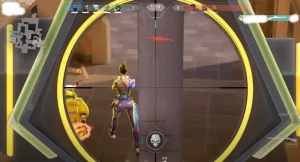
Free Valorant Triggerbot Hack | 2025 Undetectable & Safe Looking to elevate your performance in Valorant…
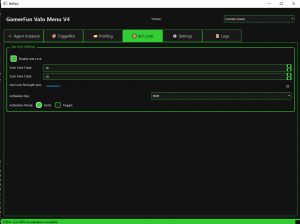
This rewrite explains what the GamerFun Valorant Menu v4 actually is, how its Python .exe workflow…
Many players search for CrossFire PH hacks for ESP, aimbot, and no recoil, but most pages…
⚠️ Legal & Ethical Note: HWID spoofing to evade bans violates virtually every game’s Terms of Service and may violate computer fraud laws in some jurisdictions. These articles are for educational research only — understanding how systems work, not circumventing them.
It's rare but possible. Most HWID bans come from online multiplayer anti-cheats (EAC, BattlEye, Vanguard, RICOCHET). Single-player games rarely implement hardware fingerprinting.
Usually not. Anti-cheats collect multiple identifiers and use fuzzy matching — changing just your disk or MAC address may not be enough if other components still match the banned profile.
A tool that intercepts the system calls anti-cheats use to read hardware identifiers and returns fake values. They typically run at kernel level (as drivers) to intercept low-level queries. They're studied for research purposes.
Spoofing itself isn't illegal in most jurisdictions, but using it to circumvent bans violates Terms of Service (a contract). In some cases it could intersect with computer fraud statutes. This is not legal advice — consult a professional.

LSCHaX is an external GTA V vehicle-editing workflow tied to Los Santos Customs, not a generic DLL menu or injector. This outline keeps the original feature set and usage flow, then adds the missing 2026 context around build support, ban risk, malware screening, and troubleshooting.

This rewrite explains what the original external Sea of Thieves ESP tool claims to offer, how its .exe setup flow works, and where the real risks usually show up. It keeps the original feature set intact while adding current-year context, anti-cheat caution, and practical troubleshooting.
Reverse engineering anti-cheat research is about understanding how modern game protection systems observe, verify, and flag suspicious behavior. This outline builds a research-first article for 2026 that explains architecture, workflow, legal boundaries, and comparison points without turning into a bypass guide.

Bodycam players usually ask one thing first: does the game have anti-cheat, and what happens if you test ESP or aimbot features anyway? This rewrite keeps the original cheat feature set intact, but reframes it around detection reality, update fragility, and lower-risk alternatives in 2026.

This outline rewrites the original Black Ops 6 Python AFK bot article without changing the tool itself: a Python script using Tesseract OCR and simulated inputs. It adds a cleaner 2026 structure, honest ban-risk coverage, setup flow, and troubleshooting notes that advanced readers actually need.

DarkyyWare is a Roblox KAT Lua script hub built around combat-assist, movement, and utility toggles like Silent Aim, Kill Aura, and Trigger Bot. This outline keeps the original feature set and usage flow, then adds the missing context most pages skip: compatibility, remote-loader risk, troubleshooting, and honest ToS exposure.

This rewrite keeps the original Blade Ball mobile script roundup intact, but adds the context most pages skip: feature analysis, mobile compatibility, and realistic risk notes. You’ll get a cleaner 2026 comparison of script types, setup workflow, and what to avoid before testing anything.

This rewrite keeps the same Combat Master internal DLL cheat, injector workflow, and original feature set, but updates the guidance for 2026. It also adds the part most thin pages skip: realistic setup limits, known issues, and ban-risk context from a reverse-engineering angle.

Marvel Rivals colorbots sit in a weird spot: lower visibility than many internal cheats, but still risky and still against ToS. This outline frames the tool honestly, explains the Arduino and GHUB paths, and shows why patches, lighting, and input methods make or break it.

Cheating, injected tools, and unauthorized mods can get your Marvel Rivals account flagged or banned, and appeal success usually depends on evidence, not emotion. This outline breaks down what likely carries the most risk, what HWID rumors actually mean, and how to handle a false ban responsibly.