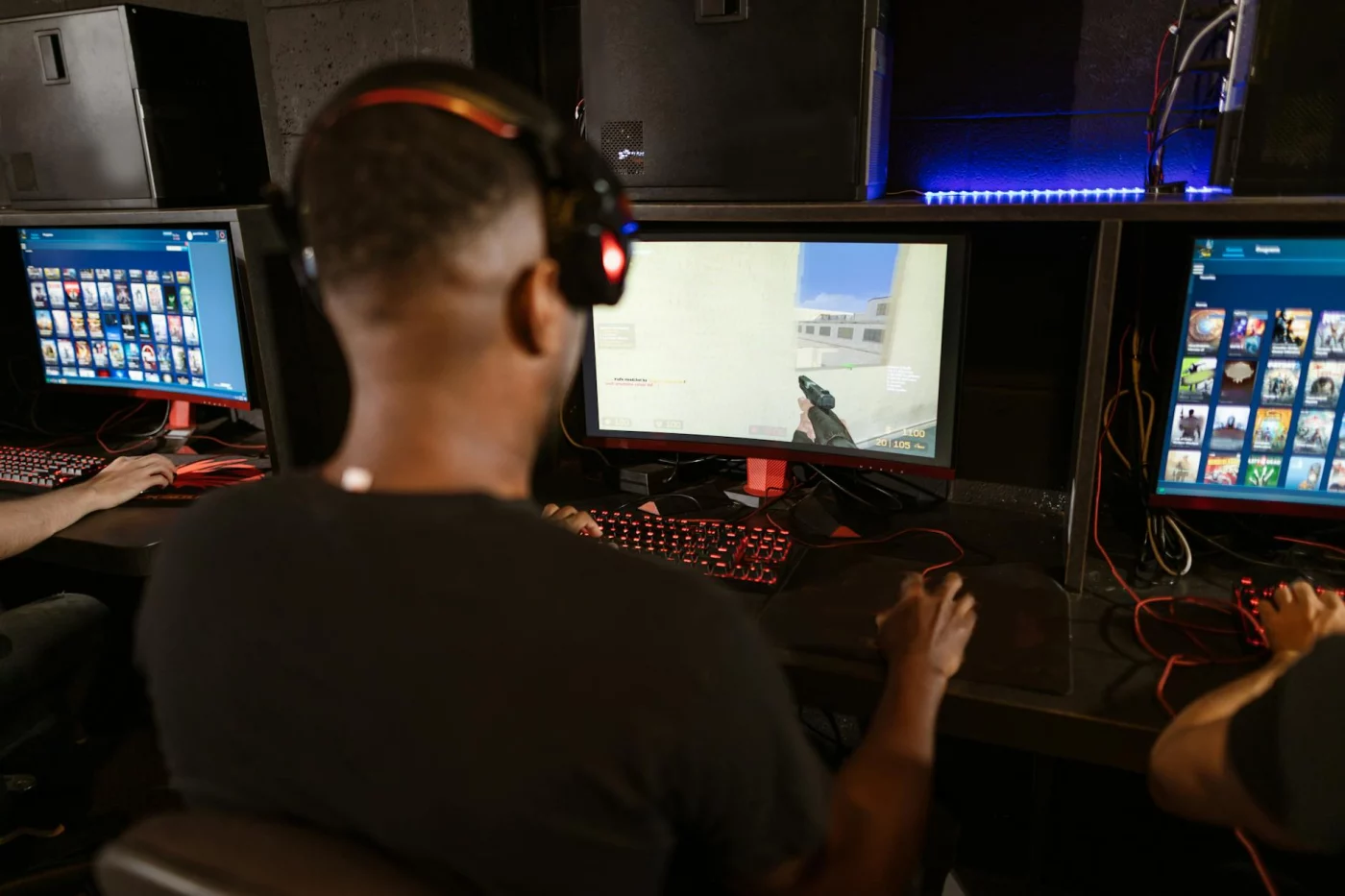
This article is for educational and research purposes only. Using cheats in online games violates Terms of Service and can result in permanent bans, HWID bans, and potential legal action. We do not encourage or endorse cheating in live multiplayer environments. So here’s the deal: how ricochet anti cheat works is less about one magic scan and more about a layered detection pipeline. On PC, RICOCHET combines a kernel-level driver, client integrity checks, telemetry, server-side behavior analysis, in-match mitigations, and account enforcement; on Xbox and PS5, it leans more on platform security and server-side signals because local visibility is narrower. If you want the deeper technical background first, start with our Reversing research hub.
You’ve probably seen the same questions everywhere: is RICOCHET kernel level, what triggers RICOCHET anti cheat detection, and why does the system seem harsher on PC than console? Fair questions. A lot of confusion comes from people treating “RICOCHET” like a single app, when how ricochet anti cheat works actually depends on where signals are collected, how they’re scored, and when enforcement is delayed instead of instant.
In this breakdown, you’ll get seven proven facts that answer the weak spots most articles skip. We’ll cover how RICOCHET anti cheat works on PC, how RICOCHET anti cheat works on Xbox and PS5, what “kernel-level” means in practice, where privacy boundaries likely sit, why Cronus claims get messy, and why “ricochet anti cheat not working” often really means server-side review or delayed bans. And if you’re newer to anti-cheat internals, our game hacking learning path gives you the structured basics before you go deeper.
I’m coming at this as a reverse engineer, not a marketer. We study systems like this by comparing public statements with real-world behavior, telemetry patterns, and platform details — and Activision’s official RICOCHET Anti-Cheat overview matters because it confirms the broad architecture while leaving plenty of implementation details intentionally vague.
📑 Table of Contents
- What RICOCHET Anti-Cheat is and how ricochet anti cheat works in 2026
- How RICOCHET works step by step: detection flow, scoring, and enforcement
- PC vs Xbox vs PS5, privacy limits, and common mistakes to avoid
- Real-world application and quick reference: what RICOCHET flags, what happens next, and what to do if it seems broken
- Frequently Asked Questions
- Conclusion
What RICOCHET Anti-Cheat is and how ricochet anti cheat works in 2026
Now that the intro is out of the way, here’s the plain answer. RICOCHET Anti-Cheat is Activision’s layered Call of Duty anti-cheat stack: a PC kernel-level driver, client integrity checks, server-side telemetry, behavior analysis, in-match mitigations, and account enforcement working together rather than as one single detector.

This article is for educational and research purposes only. Using cheats in online games violates Terms of Service and can result in permanent bans, HWID-related enforcement on PC, and account penalties, so don’t treat this as a safe-use guide.
Direct answer: how ricochet anti cheat works in plain English
If you’re asking how ricochet anti cheat works, the short version is simple: it collects gameplay and system signals, compares them against known bad patterns, scores suspicious activity, and then applies mitigations or enforcement when confidence is high enough. And yes, anti-cheat updates can change outcomes fast, sometimes after a cheat looked fine the day before.
On PC, RICOCHET has the deepest local visibility because the driver can inspect low-level activity tied to the game process. On Xbox and PS5, the model appears more dependent on platform security, game-side checks, and server-side analysis rather than a publicly described PC-style kernel driver path.
Telemetry just means signals. Think aim behavior, impossible reaction patterns, process integrity, loaded modules, device anomalies, and match data reviewed over time. If you want the basics behind memory inspection and signal collection, our Tools and code samples hub helps make that less abstract.
What is publicly known, inferred, and still unknown
Activision has publicly described RICOCHET at a high level through official security updates and blog posts, including its anti-cheat initiative for Call of Duty titles such as Warzone; for current rollout details and what games use RICOCHET Anti-Cheat, check Activision’s official RICOCHET Anti-Cheat page. But wait, exact ban thresholds, signature sets, and review logic are not public, and anyone claiming otherwise is usually guessing.
That’s where methodology matters. GamerFun.club is run from a reverse engineer’s perspective, and our Reversing research hub exists because reverse engineering anti-cheat research is mostly about observing behavior, reading public material, and testing carefully without pretending we have Activision’s dashboards.
Myth worth killing? RICOCHET is not only “the driver,” and a ban does not automatically prove one exact trigger. Community analysis on places like UnknownCheats anti-cheat research discussions can be useful, but legal or privacy questions about ricochet anti cheat privacy should go to a qualified attorney, not a forum post.
Where to go deeper after this overview
If you’re still learning how anti cheat works, start with the Game hacking learning path. If you already know the basics, this section should give you the right frame for how ricochet anti cheat works without making unsupported claims about unpublished internals.
- PC: deeper local inspection and integrity visibility
- Console: heavier reliance on platform controls and server-side signals
- All platforms: behavior analysis, enforcement, and changing detection logic
Next, we’ll break down the actual flow step by step: what gets checked, how suspicious behavior is scored, and what happens before a flag turns into a mitigation or ban.
How RICOCHET works step by step: detection flow, scoring, and enforcement
Now we get into the actual pipeline. If you were wondering how ricochet anti cheat works beyond the marketing blurbs, think of it as several layers feeding signals into review and enforcement, not one magic scan. For deeper anti-cheat breakdowns, our Reversing research hub and beginner-friendly Game hacking learning path cover the research side without pretending we have insider access.
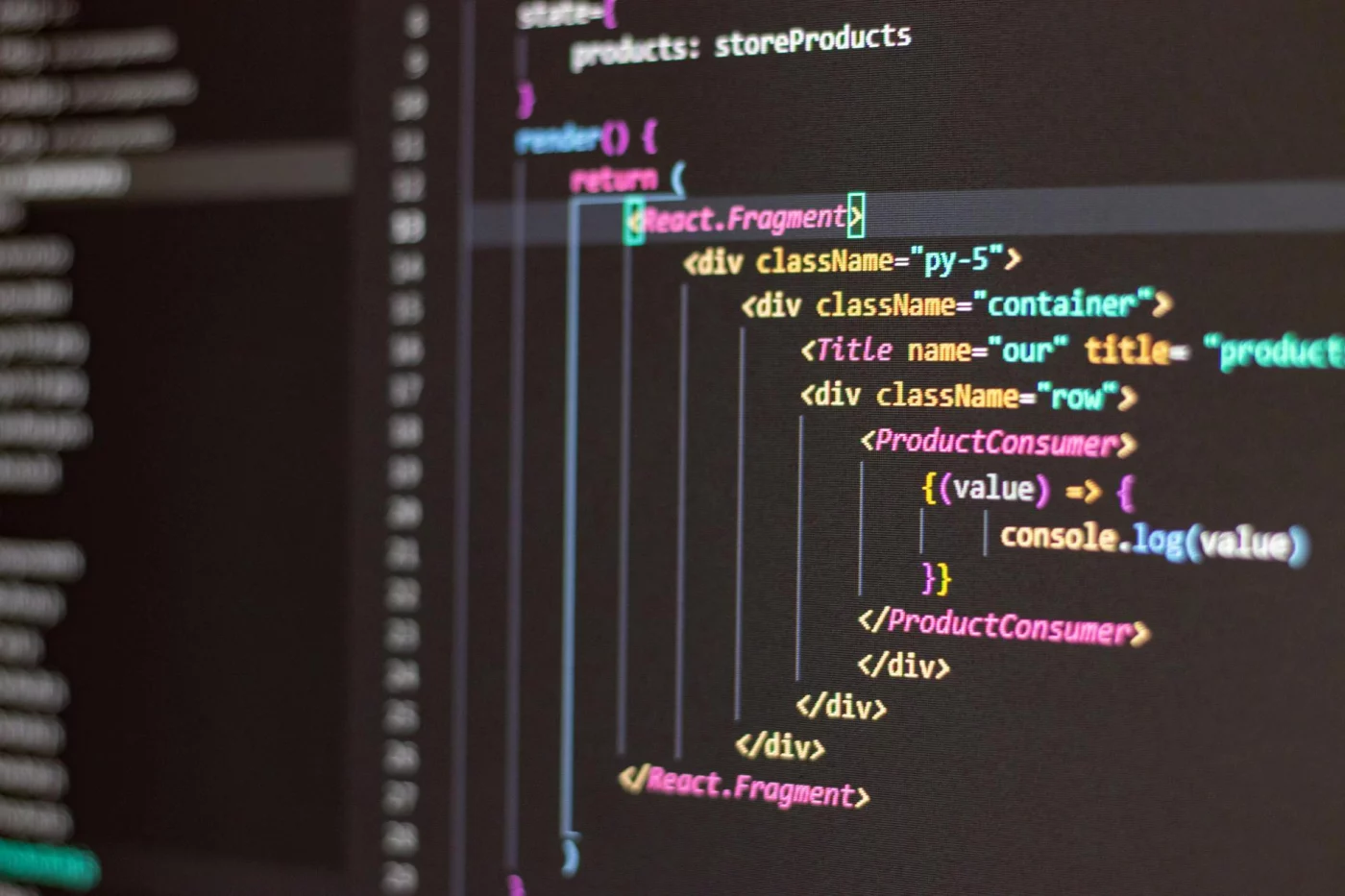
How to understand the RICOCHET detection pipeline
- Step 1: PC driver and client components start and watch the game environment.
- Step 2: Processes, drivers, and memory activity are checked for tampering signals.
- Step 3: Server-side telemetry scores gameplay behavior over time.
- Step 4: Mitigations, review states, and enforcement are applied based on combined evidence.
1) Driver and client components start
At a high level, how ricochet anti cheat works on PC starts with local components. “Kernel-level” in plain English means part of the anti-cheat runs with deeper system visibility than a normal app, so it can inspect drivers, handles opened toward the game, memory access patterns, and obvious tampering around the process.
That matters because cheats don’t always live inside the game. Some sit beside it, some load drivers, and some abuse legitimate tools in suspicious ways. If you want the basics of memory inspection concepts, our Tools and code samples gives the clean research version. And no, console parity shouldn’t be assumed; PC driver activation is a different discussion from Xbox or PS5.
2) Processes, drivers, and memory are checked
Next comes local inspection. Publicly described and community-observed anti-cheat behavior commonly includes suspicious process detection, integrity checks, cheat signatures, injected module checks, and scrutiny of unusual or unsigned driver behavior. Even external tools can leave traces through handles, overlays, input patterns, or companion services.
Well, actually, this is where simplistic “external = invisible” takes fall apart. A tool may avoid direct injection yet still create detectable artifacts around the game process. For background on anti-cheat architecture in general, the Wikipedia article on anti-cheat software is a decent public primer, and Valve’s GameNetworkingSockets repository is useful context for understanding why telemetry-rich online games generate lots of observable data.
3) Server-side behavior is scored
This is the part Reddit usually misses. How ricochet anti cheat works isn’t just local scanning; server-side behavior monitoring can score impossible recoil control, ultra-consistent target tracking, unnatural target-switch timing, movement anomalies, and repeated statistical outliers across many matches.
- Perfect-looking recoil compensation for long bursts
- Tracking that stays glued through visibility breaks
- Reaction timing that clusters too tightly
- Account history that lines up with prior suspicious sessions
And yes, that can matter even for vision-based or external cheats. They may avoid some local detections, but they can still produce telemetry signals that don’t look human. Personally, I think this is the clearest answer to “how does an anti cheat work?” in 2026: layered evidence beats one-off scans.
Detection & Ban Risks
Using cheats in online games violates Terms of Service and can lead to permanent account bans, HWID penalties, shadow-ban style review states, and loss of progression. Anti-cheat updates can change detection status at any time, so a setup that appears quiet today may be flagged tomorrow. One signal usually isn’t the whole story, but layered systems often combine local evidence, account history, and gameplay telemetry before acting.
4) Mitigations, review, and bans
After scoring comes response. Activision has publicly discussed in-game mitigations like damage shields and cloaking, which can disrupt suspicious players before a full account enforcement lands. But wait — that doesn’t mean every flag becomes an instant ban.
Some cases likely enter review-style states, including shadow bans or delayed enforcement, because vendors don’t want to reveal exact thresholds. False positives are possible in principle, sure, but nobody credible should invent rates. Which brings us to the next section: what this pipeline can and can’t do on PC versus Xbox and PS5, and the privacy assumptions people get wrong.
PC vs Xbox vs PS5, privacy limits, and common mistakes to avoid
Now that we’ve covered scoring and enforcement, the next question is platform visibility. And this is where people badly misunderstand how ricochet anti cheat works, especially when they treat PC, Xbox, and PS5 like the same environment.
If you want the deeper research angle, start with our Reversing research hub. If you’re newer to this space, the Game hacking learning path gives you the high-level foundations before you get lost in driver talk.
PC vs console: where local visibility really differs
On PC, how ricochet anti cheat works on pc is a mix of local inspection and server-side analysis. That usually means visibility into relevant processes, loaded modules, driver state, suspicious handles to the game, integrity checks, and then behavioral telemetry from matches layered on top.
But wait. Kernel-level on PC doesn’t mean unlimited access to your whole machine. It means elevated visibility into system activity that could tamper with the game, not some publicly documented license to browse every document, photo, or random folder on demand.
Console is different. Based on public information, there’s no clear evidence that how ricochet anti cheat works on Xbox or PS5 mirrors the same PC-style kernel driver deployment model, so enforcement likely leans more on platform trust, signed code, account linkage, game-state validation, and server-side behavior signals.
- PC: stronger local inspection plus backend scoring.
- Xbox: likely more dependent on platform security and server checks.
- PS5: similar story, with console trust boundaries doing more of the heavy lifting.
Personally, I’d present this as a compact comparison table in an image: local process visibility, driver visibility, platform trust, and server telemetry. That explains ricochet anti cheat pc vs console faster than five vague Reddit threads ever will.
Privacy and security: what RICOCHET can and cannot see
When people ask can ricochet anti cheat see all files or is ricochet anti cheat always running, they’re usually collapsing two separate issues into one. How ricochet anti cheat works is better understood as scoped monitoring tied to game security, not a publicly described always-on personal file crawler.
Reasonable anti-cheat visibility typically includes:
- processes interacting with the game
- loaded drivers and modules relevant to tampering
- memory access patterns, handles, hooks, and integrity state
- server-side gameplay signals tied to impossible or unlikely behavior
OK wait, let me clarify. That still raises real ricochet anti cheat privacy questions, and you should take those seriously. But “kernel-level” and “can freely browse everything forever” are not the same claim, and public descriptions don’t justify treating them as identical.
Common mistakes and Reddit myths to avoid
This is where most people screw up. They see suspicious aim and assume memory cheats, when plenty of cases could be desync, spectator bugs, strong aim assist, macros, or plain old smurfing.
Another myth? That console has the same driver model as PC. Publicly, that’s not established, so saying how ricochet anti cheat works xbox is identical to PC is sloppy at best.
And then there’s the Cronus question. Does ricochet anti cheat detect cronus? Public certainty is limited, and input-device detection is generally harder than catching direct memory tampering, so enforcement may depend more on behavior, policy, or platform-side signals than a simple yes/no hardware scan.
Three mistakes to avoid:
- treating Reddit anecdotes as proof of internals
- confusing in-match mitigations with confirmed bans
- assuming every suspicious player triggered the same detection path
Speaking of which — if you’ve read “how ricochet anti cheat works reddit” threads, use them as anecdotal leads, not evidence. The next section turns that into something more practical: what actually gets flagged, what happens after, and what you should do when the system seems broken.
Real-world application and quick reference: what RICOCHET flags, what happens next, and what to do if it seems broken
Now that we’ve covered platform limits, the practical question is simple: how ricochet anti cheat works in the wild, and what you should do with that knowledge. If you want the research mindset behind this, our guide to reverse engineering anti-cheat research gives the safer methodology before you start guessing at private detection rules.
This article is for educational and research purposes only. Using cheats in online games violates Terms of Service and can result in permanent bans, HWID bans, and potential legal action. We do not encourage or endorse cheating in live multiplayer environments.
From experience: how researchers should interpret anti-cheat evidence
Here’s the split that matters. Official statements tell you what Activision wants public, observable behavior tells you what users can actually measure, and inference fills the gap between them. But wait. Inference is still inference, not proof.
When we study how ricochet anti cheat works, we treat detection evidence like reverse-engineering notes, not gospel. A kernel driver on PC can likely inspect loaded drivers, process relationships, memory access patterns, and some integrity signals, while server-side systems can review telemetry like impossible tracking consistency, unnatural recoil control, or repeated account-linked anomalies. Exact thresholds? Hidden on purpose.
Safe methodology matters more than hot takes. Use offline modes, private environments where allowed, sacrificial accounts for observation, and clean logging of what changed between tests. Don’t do live-service evasion testing. That’s where people stop doing research and start farming bans.
🛡️ Detection & Ban Risks
Common detection surfaces likely include injected overlays, suspicious memory reads/writes around the game process, unusual driver chains, impossible aim consistency, and repeated account, device, or session anomalies. After a flag, outcomes can range from silent monitoring and review queues to temporary matchmaking restrictions, shadow-ban style states, or permanent enforcement. Anti-cheat updates can change this at any time, and cheating in Warzone anti-cheat or Modern Warfare anti-cheat protected environments still violates ToS.
If RICOCHET is not working, what that usually means
Most “ricochet anti cheat not working” reports aren’t proof the system does nothing. Usually it’s a PC-side issue: the driver didn’t load, game files are corrupted, Windows security settings blocked something, or another low-level tool caused a conflict. OK wait, let me clarify. Sometimes players also expect client anti-cheat to catch every controller adapter, macro, or soft behavior anomaly instantly, which isn’t how layered enforcement works.
If you’re troubleshooting a ricochet anti cheat install problem, keep it boring and clean:
- Verify game files in the launcher.
- Reboot and install pending Windows updates.
- Check for security software, virtualization, or driver conflicts.
- Reinstall the game if the anti-cheat component looks corrupted.
And don’t download random “ricochet anti cheat download” files from third-party sites. The legitimate component ships with supported Call of Duty PC installs, not mystery ZIPs from forums. That mistake gets people malware faster than answers.
Quick reference: the short version
- How ricochet anti cheat works: a mix of PC kernel-level monitoring, client integrity checks, and server-side behavior review.
- What it likely sees on PC: driver state, suspicious process relationships, memory access patterns, and some telemetry correlations.
- What differs on console: far less local visibility, so enforcement leans more on account, device, and gameplay signals.
- What triggers review: injected overlays, strange driver chains, impossible aim consistency, repeated linked-account anomalies, and other suspicious patterns.
- What happens next: mitigation, delayed review, limited matchmaking, shadow-ban style states, or permanent bans.
- What “not working” usually means: install, driver, OS, or expectation problems—not proof the Warzone anti-cheat is inactive.
- Be skeptical of certainty claims. Anyone pretending they know exactly how ricochet anti cheat works at every layer is probably guessing.
Personally, I think that’s the healthiest frame: study behavior, document carefully, and avoid claims you can’t verify. Speaking of which — in the FAQ and conclusion next, we’ll answer the common edge cases and wrap this up with the plain-English take.
Frequently Asked Questions
How does RICOCHET anti-cheat work in simple terms?
If you’re wondering how does RICOCHET anti cheat work, the short version is that it’s a layered anti-cheat stack, not just a scanner looking for one bad file. On PC, it combines a kernel-level driver with client integrity checks and server-side behavior analysis to spot patterns that look like cheating, which is the core of how ricochet anti cheat works. And here’s the kicker — enforcement isn’t limited to bans, because Activision has also talked publicly about in-match mitigations and account actions when confidence is high. Using cheats in online games still violates Terms of Service, and detection logic can change at any time.
Is RICOCHET anti-cheat kernel-level on PC?
Yes — Activision has publicly described RICOCHET as using a kernel-level driver on PC, so if you’re asking is ricochet anti cheat kernel level, the answer is yes for supported PC titles. In practical terms, that deeper access helps it see low-level tampering and suspicious interactions that normal user-mode checks may miss, which is a big part of how ricochet anti cheat works. But wait: kernel-level doesn’t mean unlimited access to every personal file on your system; it means the anti-cheat can monitor system activity at a deeper privilege level related to game security. For Activision’s own overview, see the official RICOCHET overview.
What triggers RICOCHET anti-cheat detection?
What triggers ricochet anti cheat can include suspicious processes, memory tampering, known cheat artifacts, injected modules, and abnormal gameplay telemetry that doesn’t match normal input or movement patterns. That’s a major part of how ricochet anti cheat works: it correlates technical signals on the client side with server-side behavior instead of relying on one flag alone. Personally, I think this is where most people oversimplify things, because one enforcement action may come from several weak indicators lining up rather than a single obvious detection. So if someone says they were banned for only one reason, that may be incomplete or just guesswork.
How does RICOCHET anti-cheat work on Xbox and PS5?
If you’re searching how ricochet anti cheat works xbox, the key thing to understand is that console enforcement can still happen even without a publicly described PC-style kernel driver model. Platform security on Xbox and PS5 already limits a lot of low-level tampering, so how ricochet anti cheat works there likely leans more on account linkage, server-side behavior analysis, device and session signals, and enforcement across the Activision ecosystem. Which brings us to the real point: console anti-cheat isn’t just about scanning the box itself, it’s also about what the backend sees from your matches and your account history. If you want more background on cheat detection layers, you can also check our GamerFun anti-cheat research guides.
Does RICOCHET detect Cronus or similar controller devices?
The honest answer to does ricochet anti cheat detect cronus is that public certainty is limited, and a lot of online claims should be treated carefully. Compared with memory cheats, input-device detection is usually harder because external controller adapters can mimic legitimate input at a lower signal level, even though how ricochet anti cheat works may still involve behavioral analysis that spots unnatural recoil control or repeatable input timing. OK wait, let me clarify: that doesn’t mean such devices are invisible, only that detection is generally less straightforward than catching injected code or memory edits. For broader anti-cheat research discussions, UnknownCheats is useful for community analysis, though claims there still need skepticism.
Why is RICOCHET anti-cheat not working on my PC?
If you’re dealing with ricochet anti cheat not working, common causes include the driver failing to load, corrupted game files, Windows security or virtualization conflicts, outdated system components, or simply a misunderstanding of what the anti-cheat can and can’t detect. That’s still part of how ricochet anti cheat works, because if the driver or client protections don’t initialize correctly, the game may throw launch errors or protection warnings instead of running normally. Three things to check first: game file integrity, Windows updates/security settings, and official launcher repair options. And use only official game support and Activision support resources for fixes, not random “anti-cheat bypass” tools, since those can create bigger security and ban problems fast.
Conclusion
If you want the short version, here it is: how RICOCHET anti cheat works comes down to layered telemetry, behavior scoring, integrity checks, and delayed or immediate enforcement depending on confidence. On PC, the kernel-level component gives Activision deeper visibility into suspicious drivers, memory tampering, and abnormal input patterns, while console coverage works differently and relies more on server-side signals and account behavior. And if RICOCHET seems broken, the smartest move isn’t to guess — it’s to check for overlays, driver conflicts, corrupted game files, weird input tools, and account-side enforcement signals before you do anything else. That’s the practical takeaway most people miss.
Thing is, understanding how RICOCHET anti cheat works puts you in a much better position whether you’re researching anti-cheat internals, troubleshooting false-looking flags, or just trying to separate myths from reality. Anti-cheat systems change fast. Really fast. But once you understand the detection flow, the platform differences, and the privacy limits, the whole system stops looking like black magic and starts making technical sense. Personally, I think that clarity matters, because a lot of bad advice online comes from people who never reversed anything and just repeat forum noise.
If you want to keep going, check out more anti-cheat breakdowns and game security research on GamerFun.club. You might want to read our Easy Anti-Cheat explained guide and our BattlEye anti-cheat deep dive next. The more clearly you understand how RICOCHET anti cheat works, the easier it is to test smarter, avoid dumb mistakes, and read ban reports with a critical eye. Stay sharp, verify everything, and keep learning.